
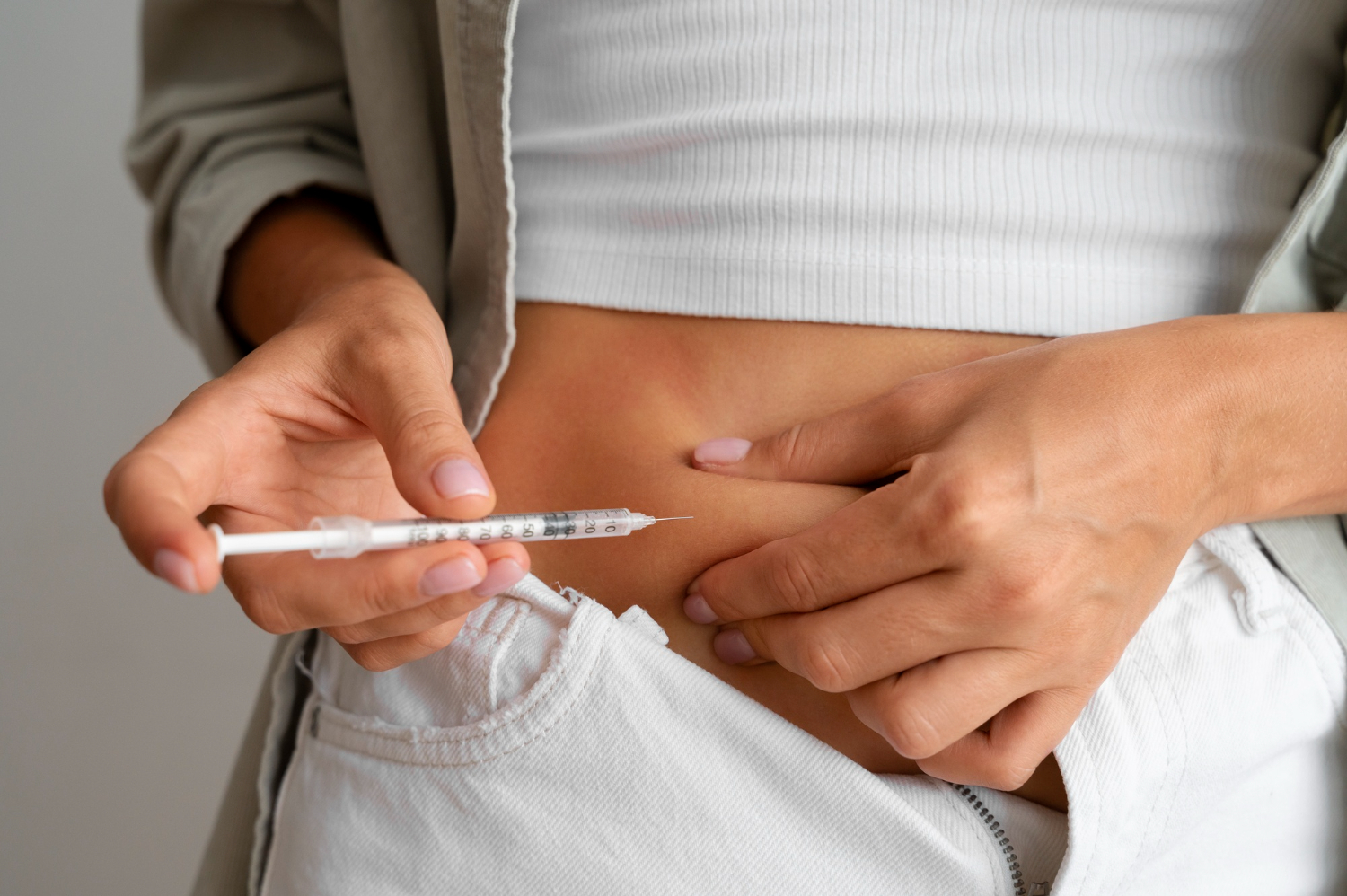

Losing weight can be challenging, and many people are turning to modern medical solutions like weight loss injection programs to help them achieve results. These injections are marketed as fast and effective tools to manage weight, especially for those who have struggled with traditional methods. But the big question remains: can weight loss injections truly replace diet and exercise?
What Are Weight Loss Injections?
A weight loss injection is a medical treatment that helps the body regulate appetite, metabolism, and fat-burning processes. Common types include GLP-1 receptor agonists (such as semaglutide), lipotropic shots, and vitamin-based injections that support energy and fat loss.
These treatments are gaining popularity because they can lead to significant weight loss—especially when combined with healthy lifestyle changes. But that last part is important.
The Role of Diet and Exercise
Even if you’re using a weight loss injection, diet and exercise still play a critical role in long-term success. Here’s why:
- Injections support, not replace: These treatments are designed to enhance the body’s natural processes, but they don’t burn calories or build muscle on their own.
- Nutrition matters: A poor diet can cancel out any benefits of a weight loss injection. Processed foods, sugar, and excess calories still contribute to weight gain.
- Exercise strengthens the body: Physical activity not only helps with weight loss but improves cardiovascular health, mood, and metabolism—benefits injections alone can’t offer.
What Happens Without Diet and Exercise?
Using weight loss injection treatments without changing your eating or activity habits might lead to short-term results, but long-term success is unlikely. Some potential downsides include:
- Weight regain if lifestyle changes are not adopted
- Slower progress compared to combining injection with movement
- Missed health benefits that come from balanced eating and exercise
Best Practices for Using Weight Loss Injections
To get the most from your treatment, here are a few tips:
- Combine injections with a balanced, calorie-conscious diet
- Stay active—at least 30 minutes a day, five days a week
- Work with a medical professional who offers personalized plans
- Monitor progress regularly and adjust based on your needs
Final Thoughts
So, can a weight loss injection replace diet and exercise? The short answer is no. While these treatments are powerful tools to jumpstart your journey, they’re most effective when paired with healthy eating and regular physical activity. Think of them as a support system, not a shortcut.
Sustainable weight loss comes from creating habits that you can maintain long after the injections stop. It’s not about choosing one over the other—it’s about making them work together.